Our Lab
Our research interests are focused on the understanding of the molecular mechanisms which lead to neurodegeneration in diseases such as Parkinson’s, Huntington’s, or Alzheimer’s disease. These diseases are intimately associated with protein misfolding and aggregation in specific regions of the brain.
Because the molecular pathways involved in protein homeostasis are highly conserved, we employ a wide variety of model organisms, from the simple but powerful budding yeast to mammalian cell culture and mice, to study the origin of the problems.
Our ultimate goals are to develop novel therapeutic approaches for these and other related disorders. We are working closely together with clinicians in order to accelerate drug discovery efforts, translating basic research into clinical applications that will improve the lives of patients.
Research Areas



Highlights
Selected Publications
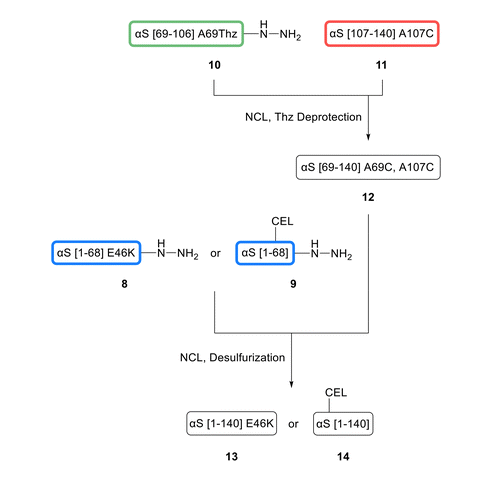
Chemical synthesis of site-selective advanced glycation end products in α-synuclein and its fragments.
Advanced glycation end products (AGEs) arise from the Maillard reaction between dicarbonyls and proteins, nucleic acids, or specific lipids. Notably, AGEs are linked to aging and implicated in [...]
Stress granules sense metabolic stress at the plasma membrane and potentiate recovery by storing active Pkc1.
As the physical barrier between the cell and the outside environment, the plasma membrane is well-positioned to be the first responder to stress. The membrane is also highly [...]
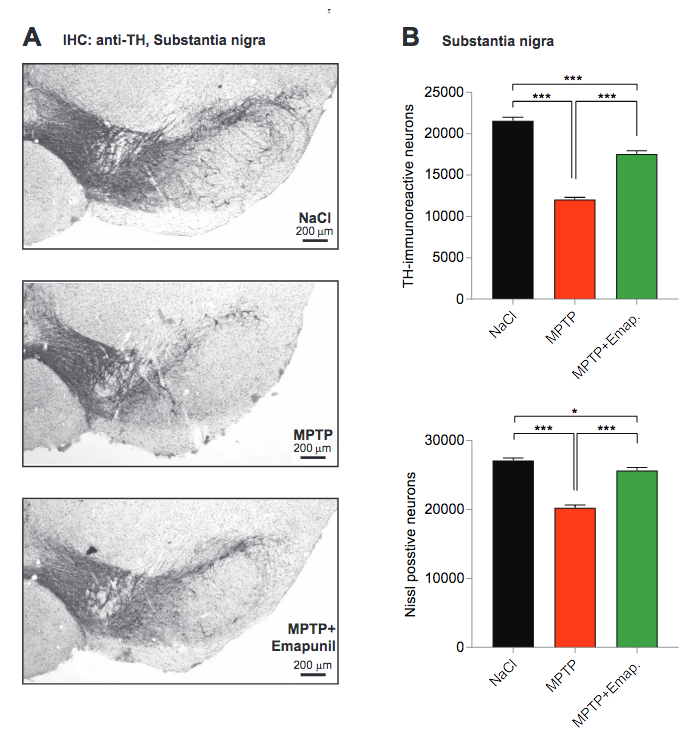
Translocator protein ligand protects against neurodegeneration in the MPTP mouse model of Parkinsonism.
As the physical barrier between the cell and the outside environment, the plasma membrane is well-positioned to be the first responder to stress. The membrane is also highly [...]
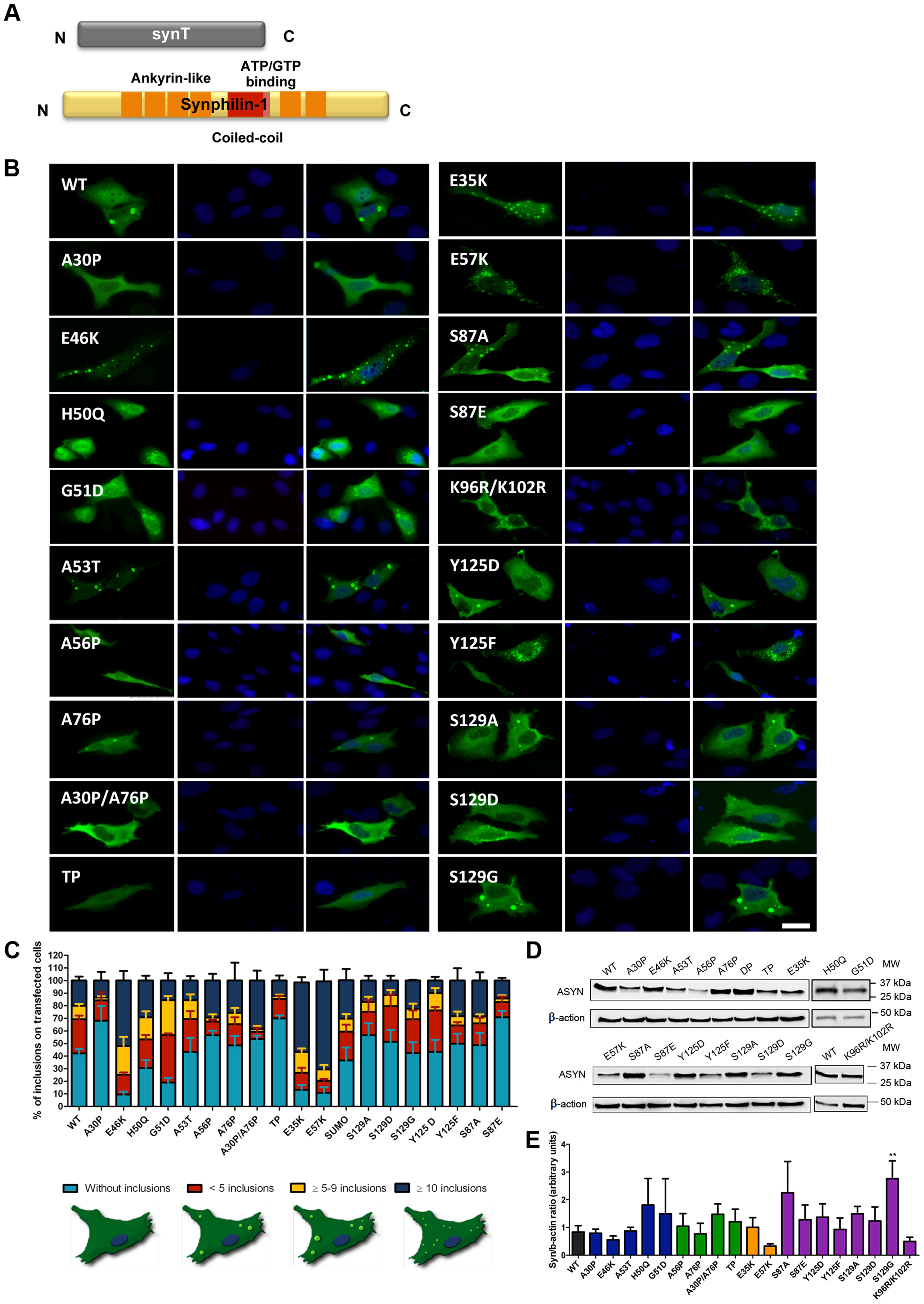
Systematic Comparison of the Effects of Alpha-synuclein Mutations on Its Oligomerization and Aggregation
Aggregation of alpha-synuclein (ASYN) in Lewy bodies and Lewy neurites is the typical pathological hallmark of Parkinson's disease (PD) and other synucleinopathies. Furthermore, mutations in the gene encoding [...]
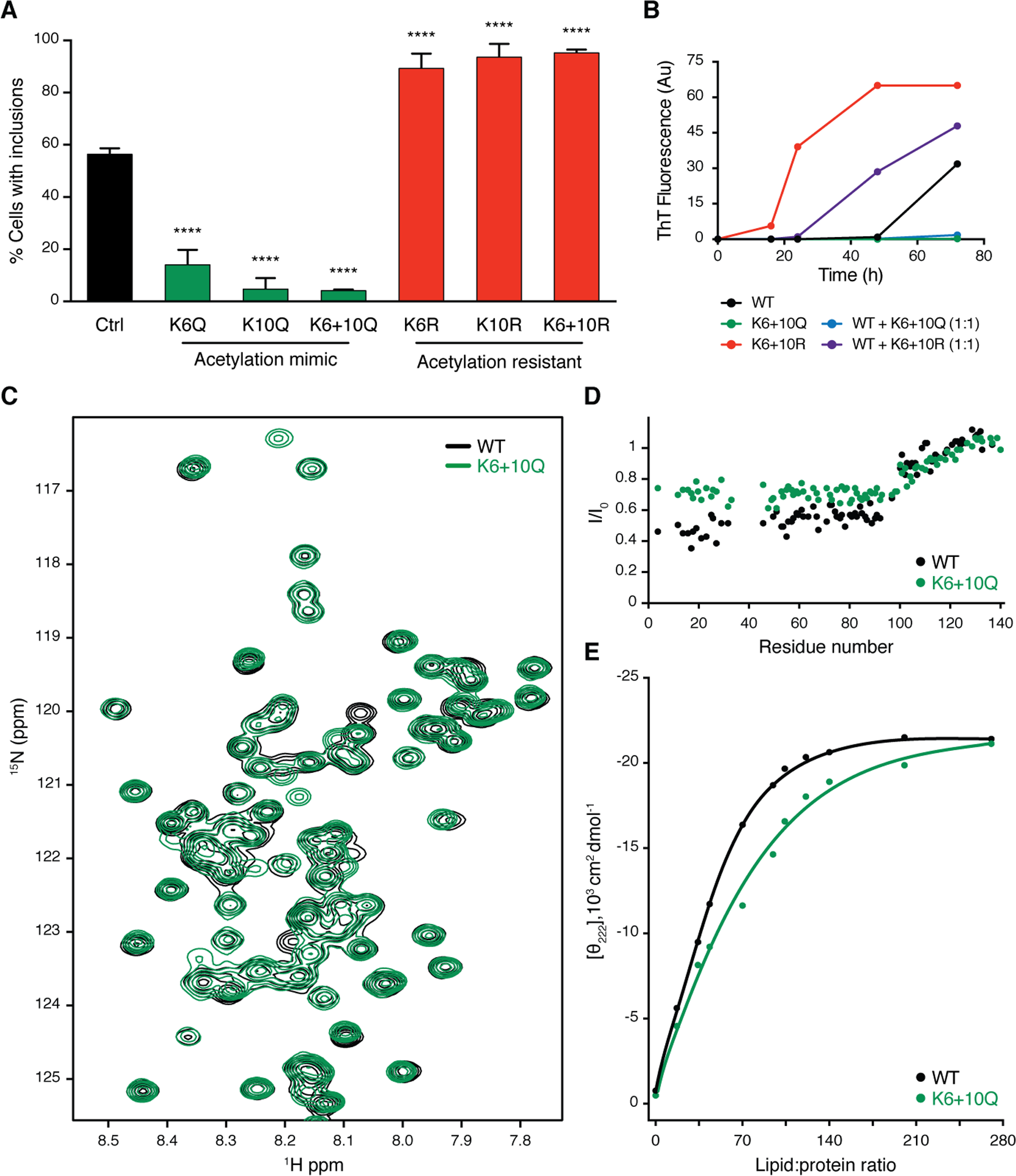
The mechanism of sirtuin 2–mediated exacerbation of alpha-synuclein toxicity in models of Parkinson disease
Sirtuin genes have been associated with aging and are known to affect multiple cellular pathways. Sirtuin 2 was previously shown to modulate proteotoxicity associated with age-associated neurodegenerative disorders [...]
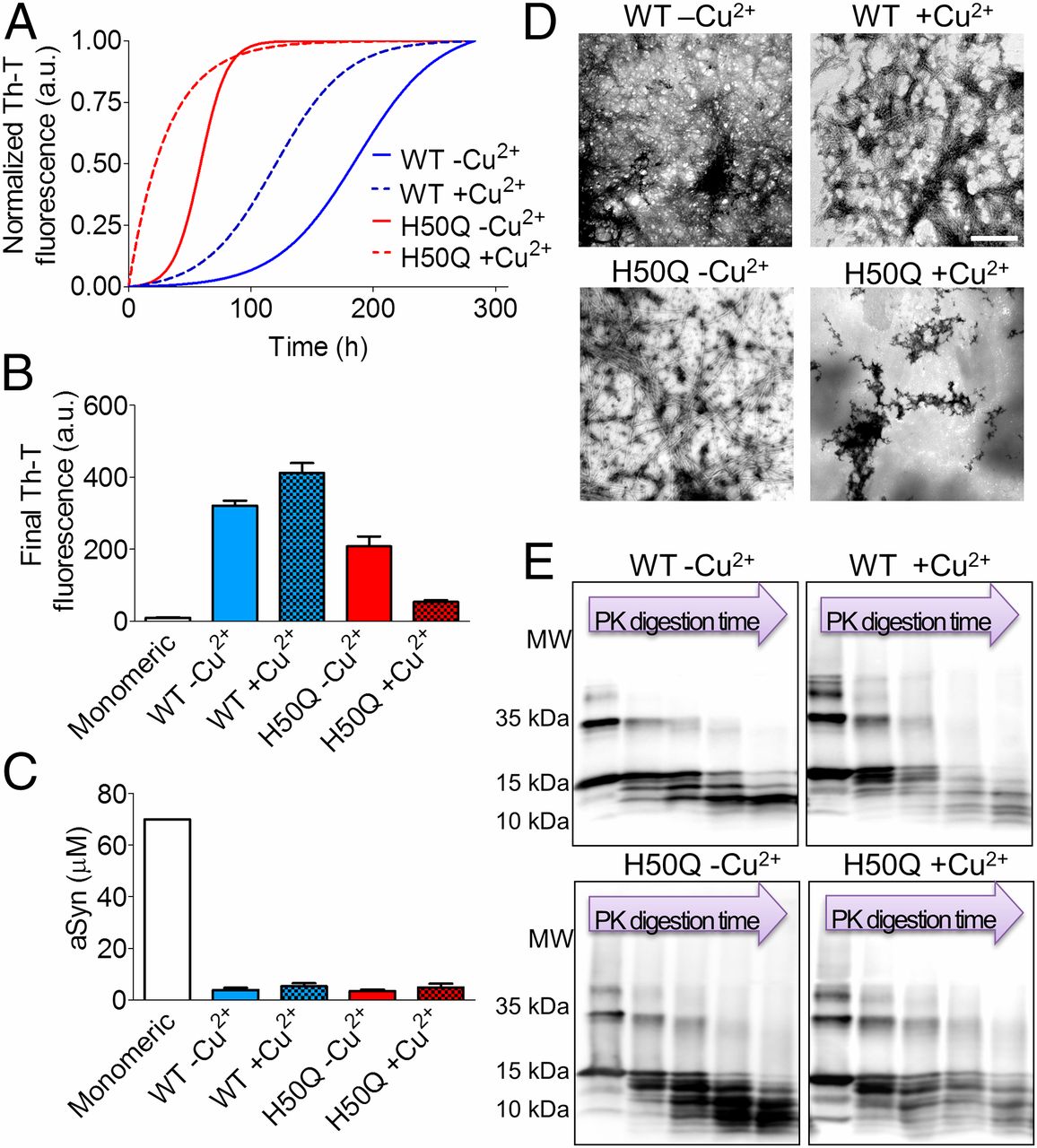
Environmental and genetic factors support the dissociation between α-synuclein aggregation and toxicity
Synucleinopathies are a group of progressive disorders characterized by the abnormal aggregation and accumulation of α-synuclein (aSyn), an abundant neuronal protein that can adopt different conformations and biological [...]